From start-up to stay-up.
Most ventures die before year five. The ones that don’t share a small set of frameworks. I write about them — and run a consulting practice for founders who want to apply them.
Free. No spam. Unsubscribe anytime.
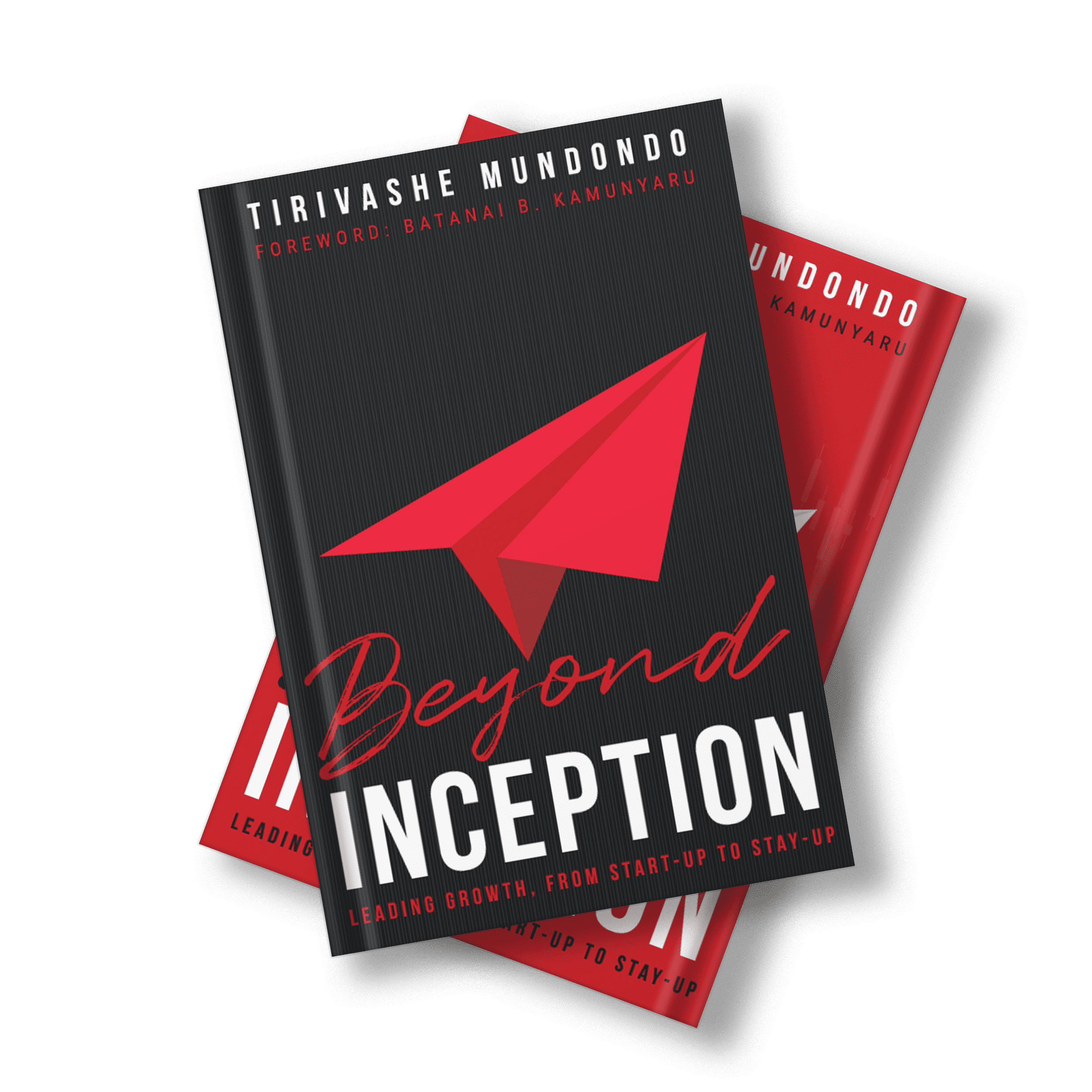
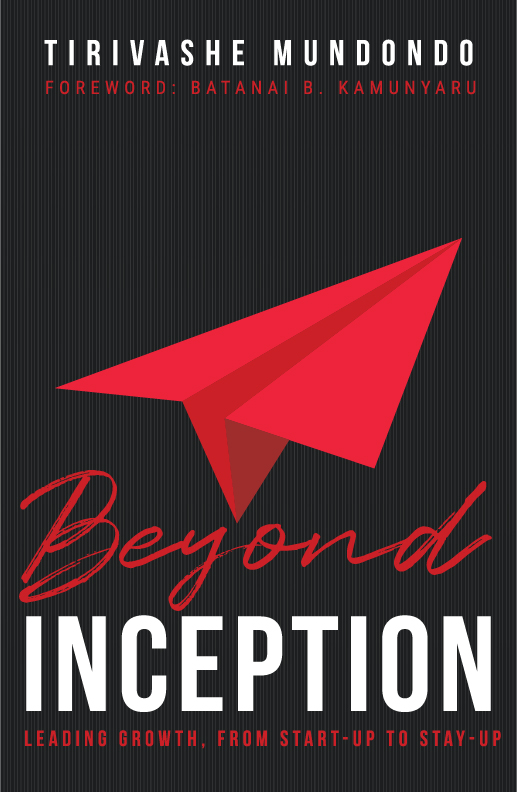
Beyond Inception.
What it argues: most “founder advice” is survivorship bias dressed as wisdom. The book makes the case for a discipline of staying up — getting past year five — that most ventures never get to read.
Available on Amazon. Free first three chapters by signing up to the newsletter.
Buy on AmazonWhat I write about.
The Stay-Up Philosophy
Long-form thinking on what it takes to grow a venture past year five.
02Founder Execution
Practical frameworks on goals, productivity, and the gap between intention and action.
03African Capital
Capital structures, term sheets, and the operator-investor lens, written from inside African markets.
04Teams & Governance
Building, hiring, and governing under the constraints of an early-stage African venture.
Recent essays
The conversation no founder wants to have with their cap table.
When dilution becomes a moral question, not just a math problem.
Why most quarterly goals are theatre.
The honest test: can your team predict next quarter’s goals before you announce them?
Survivorship bias has a brand problem.
Why the founder stories you read are statistically the wrong ones to learn from.
Survivorship bias has a brand problem.
Why the founder stories you read are statistically the wrong ones to learn from.
The first time I noticed it was at a conference in Cape Town. Five founders on stage, all asked the same question — what’s the one thing that made the difference? — and all answered with some version of “we didn’t give up.” I remember thinking the panel would have been more useful with the founders who did give up sitting next to them, explaining what they tried first.
The conference, of course, hadn’t invited them. Conferences never do. They invite the survivors.
The data we don’t have.
Founder advice is built on a sample of one: the people who made it. We never hear from the ones who didn’t, because by definition they’re not on the stage. This is survivorship bias, and it shapes nearly every entrepreneurship book on your shelf, including, embarrassingly, parts of mine.
The most useful advice in business is the advice that didn’t work, told by the people it didn’t work for. We almost never get to hear it.
Here’s the version that does survive: the second version of the framework, the one the founder articulated after the win. It’s tidied up.
Get the next essay first.
The newsletter goes out roughly weekly. Subscribers get the writing first.
So what do you do with this?
Read survivor narratives carefully, and ask yourself: could this same advice have come from someone whose company died? The frameworks worth keeping are the ones that are too specific to be portable.
The Stay-Up Philosophy
Long-form thinking on what it takes to grow a venture past year five — frameworks, anti-patterns, and what the survivors don’t tell you.
Let’s talk about better outcomes.
If you’re ready to grow your venture past year five, the newsletter is where I share what works.
Free. No spam. Unsubscribe anytime.
Buttons
Type scale
From start-up to stay-up.
What I write about.
The four hidden compounders.
Default body for marketing, landing, and component copy. Tighter line height than v1 to feel modern and decisive.
Used inside long-form essays only. The serif gives editorial weight; the system stays sans everywhere else.
The most useful advice is the advice that didn’t work.